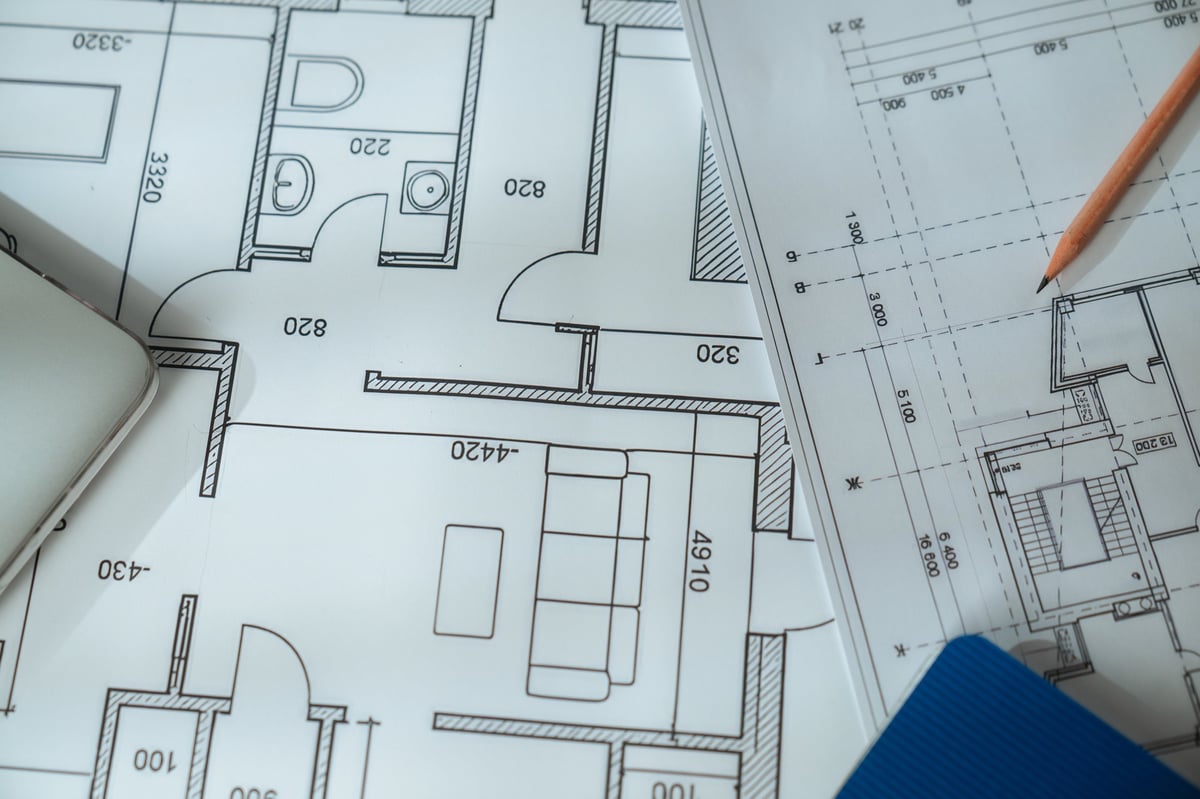
Some upgrades you can never add later. Others you can do for a third of the price after closing. Knowing which is which is worth more than any incentive on the sheet.
Kris Sutton
TX Broker #644333
New Construction
The design appointment is the most expensive hour in the homebuying process. You walk into a showroom full of beautiful things, you have a budget number in your head, and you are asked to make dozens of permanent decisions in a single sitting — most of them with no price context you can verify.
The organizing principle is simple, and it has nothing to do with which finishes look nicest: spend on what you can't change later. Everything you can change later, buy later — for less, with competition, with the ability to live in the house first and learn how you actually use it. That's also the reason design credits are the weakest form of builder incentive — here's how the four kinds of incentive actually compare.
The test to run on every line item: "Could a contractor do this after I close?" If yes, it belongs in column B — regardless of how good it looks in the showroom.
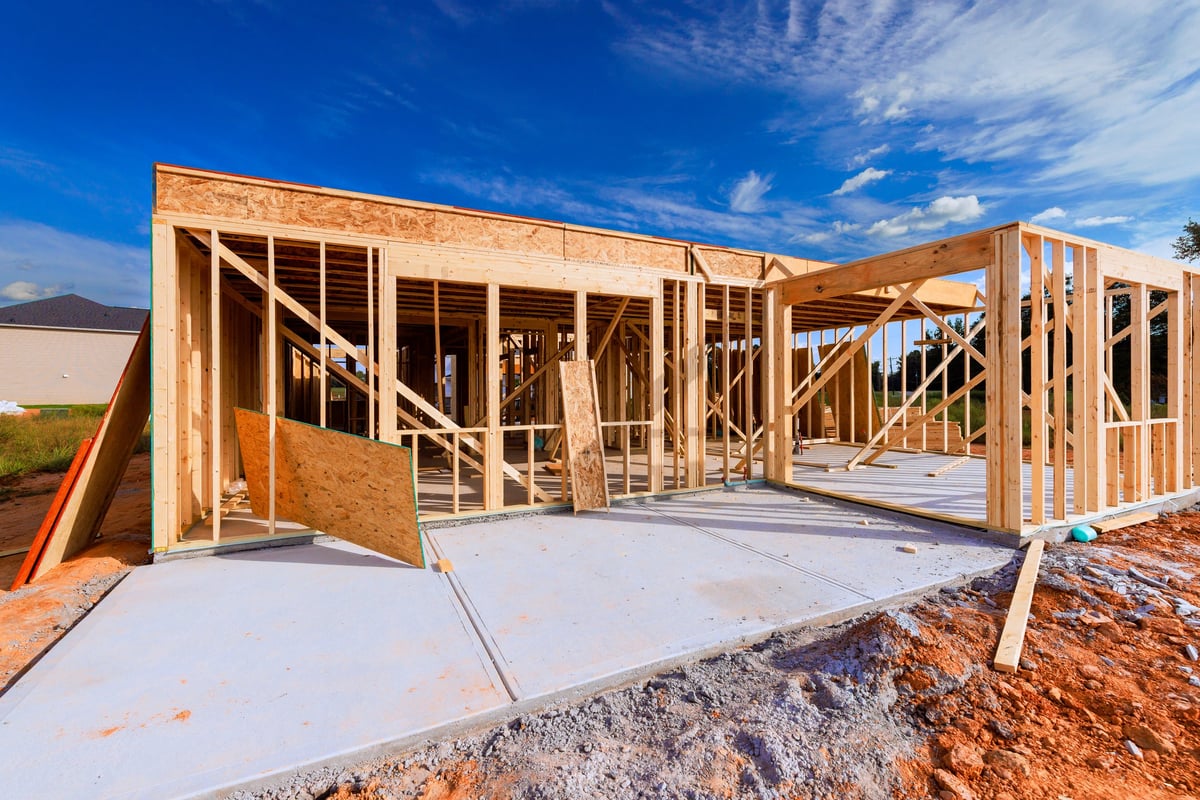
These are the things that require the house to be open, or that are effectively impossible to alter once it's finished. This is where your upgrade budget should go first — and where it is genuinely worth paying builder pricing.
Ceiling height and volume. Raised or extended ceilings are a structural change. There is no version of this you do later.
Layout and room count. Added bedroom, extended great room, converted study, extra bath. Framing decisions are permanent.
Windows and light. Additional or enlarged windows change how the entire house feels. Retrofitting means cutting siding.
Electrical and data rough-in. Extra outlets, dedicated circuits, ceiling fan boxes, prewiring for surround, CAT-6 runs, and EV charging conduit in the garage. Cheap before drywall, painful after.
Plumbing rough-in. A future bathroom, a garage sink, a prep sink in the island, an outdoor hose bib where you need one. All much simpler during construction.
Siding, roof material, and exterior masonry. These define curb appeal and are a full-exterior job to redo.
Energy package and insulation. Does far more for your monthly cost than any countertop ever will, and cannot be upgraded later without opening walls.
Every item here is a swap or a finish. A local contractor, a countertop fabricator, or a flooring company will quote these competitively after you close — and you'll be choosing from the whole market instead of one showroom.
Countertops
Fabricators compete hard. Builder markup on stone is frequently the widest spread in the appointment.
Flooring
Tile and wood-look installers price these independently. Especially worth comparing on large square footage.
Plumbing fixtures
Faucets, shower heads, and sinks are straightforward swaps — and the first things most homeowners replace anyway.
Light fixtures
Skip the builder package. You'll want different fixtures once your furniture is in the room.
Paint and accent walls
A painter can do the whole interior for a fraction of a builder paint upgrade.
Hardware and mirrors
Cabinet pulls, bath hardware, and mirrors are the cheapest high-impact swaps in the house.
Landscaping and irrigation
Local crews know Central Texas soil and drought-tolerant plant selection better than a builder's package does.
Closet systems and shelving
A dedicated closet company will beat a builder allowance almost every time.
Set a hard number before you walk in
Not a range — a number, written on paper, agreed with your partner. Design centers are intentionally overwhelming, and "we'll figure it out at the end" is how real budgets break.
Ask for prices before you choose
You're entitled to a line-item price on every selection. If selections are priced only at the end, ask for an itemized summary and take it home before signing.
Remember what upgrades do to your appraisal
Upgrades raise your price. Appraisals in new communities are based on comparable closings, which may not fully support a heavily upgraded home. If your appraisal comes in low, you cover the gap in cash — so keep your upgrade total sane relative to the community. The earnest money and appraisal-gap language in the contract determines what happens next.
Buyers routinely invite us to the design center. We help separate structural from cosmetic, flag items you can beat outside, and keep the total anchored to the number you set before you arrived. It's one of the most concrete ways buyer representation pays for itself.
If you haven't chosen a floor plan yet, the new construction vs. resale comparison is a useful gut check before you spend a design budget on a house type you may not want. And if you're still choosing where to build, compare Greater Austin communities by region — builder design options differ sharply from one to the next.
Three guides that pair with this one.
Inside the Model Home: What They Won't Tell You
Why the finishes you fall in love with on the tour aren't the ones in the base price.
How Builder Incentives Actually Work in Austin
What a design credit is really worth compared to cash at closing or a lower rate.
Free Builder Guide: Read the Builder, Not the Sign
A 15-page walkthrough of how builder pricing, inventory, and incentives are actually decided.
We'll help you set the budget, sort structural from cosmetic, and leave the appointment with money still in reserve for the things you'll actually want in year two.
Pura Vida Realty Group, Inc. · Kris Sutton, TX Real Estate Broker #644333