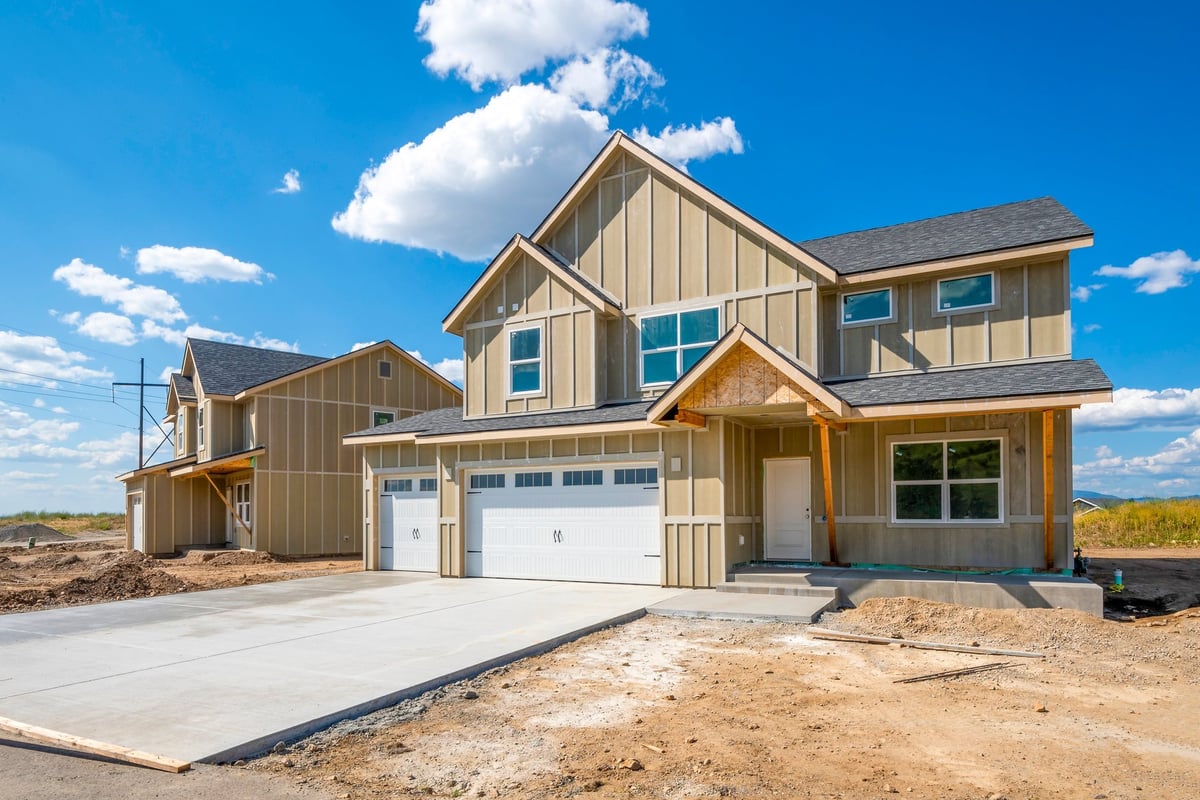
That gorgeous model home is a sales instrument, built to a different spec than the one you'll actually buy. Here's what to look past — and the exact questions that surface what isn't on the sheet.
Kris Sutton
TX Broker #644333
Ex-Builder Sales Perspective
The model home is the most expensive marketing asset in the community. It is usually built with every structural option, upgraded finishes throughout, enhanced landscaping, and professional staging — and it is almost never what the base price buys. None of that is dishonest. It's just a different house.
I spent years on the builder side of that table. I know exactly what a sales counselor is trained to emphasize and what gets left in the binder. Walking in informed is not adversarial — it just changes the conversation from "which one is available" to "what does this actually cost me." If you want the groundwork before you go, our guide to how builder incentives actually work covers the promotional language you're about to hear.
Start here: before you tour, ask for the base price of the specific plan, on the specific lot, with no options. Then ask what the model home sitting in front of you would cost to replicate. The gap between those two numbers is the single most useful thing you'll learn all day.
Model homes frequently feature raised ceilings, extended great rooms, and additional window packages as structural options. Those are real line items in the contract — often five figures. If the light and volume are what sold you, confirm which options produce them and what they cost before you assume they're included.
Counters, cabinetry, plumbing fixtures, and flooring in the model are typically the top tier from the design center. Base price buys the entry tier. Ask to see the actual included-finishes list, in writing, for the plan you're considering — not the model's spec sheet. When you get to the design appointment, here's which upgrades are worth paying the builder for and which you should buy later.
The model usually occupies one of the best lots in the community — often a corner or a greenbelt frontage. Every lot carries a premium, and those premiums vary enormously within the same community. Ask for the lot premium schedule and see it mapped to the remaining inventory. Before you commit to a lot, it's worth understanding how the surrounding Greater Austin communities differ on lot size, tax districts, and build-out.
Mature trees, sod, irrigation, and full fencing are frequently added by the builder's marketing budget, not included in your purchase. In Central Texas, a real landscape and irrigation package is a meaningful number — confirm what your yard includes at closing.
Sales counselors are measured on conversion and on inventory turn. "This price is only good through Sunday" is a legitimate promotion structure and also a pressure tactic; both can be true at once. Never sign a contract in the model home on the first visit. Take the paperwork home.
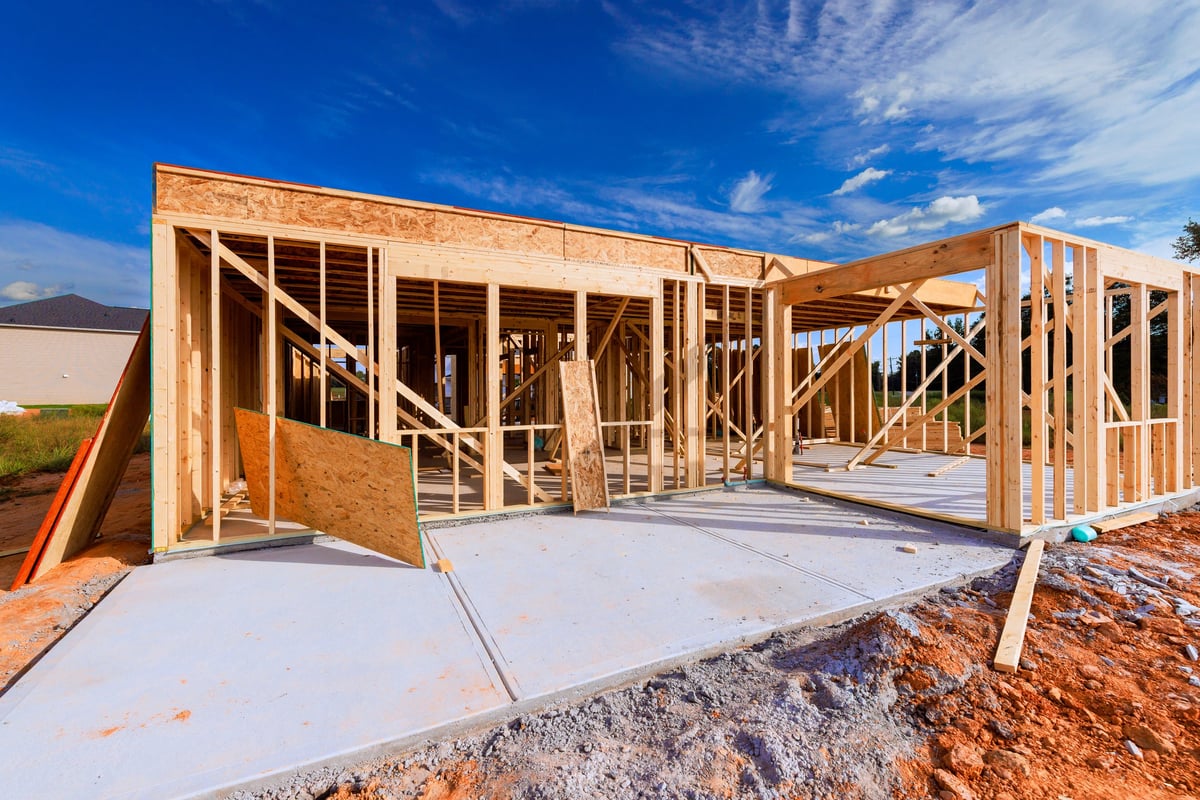
Ask these at the table, and write down the answers. Not because anyone is lying to you — because these are the details that get lost between a friendly tour and a signed contract.
"What is the base price of this plan on the lot I'm considering, with zero options?"
"What's the full blended tax rate on this specific lot, including MUD or PID?"
"What did the last five homes in this community close at, and what incentives did they carry?"
"How much inventory is left in this phase, and what's the expected build time on a new contract today?"
"Are the incentives the same if I use my own lender, or does that change the deal?"
"What happens to my deposit if the completion date slips by 60 days?"
Every one of those answers is something the builder already knows. The only asymmetry in the room is that they hear these questions daily and you may hear them once. That's the entire case for bringing someone who does this for a living and is paid to represent you.
Two of those answers — the deposit question and the incentive question — live in the fine print of the agreement. Before you sign anything, work through the seven builder contract clauses that matter more than the price.
I worked on the builder side before representing buyers, which means I know how the pricing, inventory, and incentive decisions actually get made inside the sales office. Pura Vida Realty Group represents buyers only — our compensation comes from the builder and never varies based on which home or which incentive you choose.
Walk into the next tour with these in hand.
How Builder Incentives Actually Work in Austin
What the four kinds of promotion really cost — and the one question that reframes the whole conversation.
Design Center Upgrades: Where to Spend, Where to Stop
The "could a contractor do this after I close?" test — and the upgrades that actually require the walls to be open.
Free Builder Guide: Read the Builder, Not the Sign
A 15-page walkthrough of how builder pricing, inventory, and incentives are actually decided.
Walk in with someone who has sat on the other side of that table — and walk out with the real numbers instead of a brochure.
Pura Vida Realty Group, Inc. · Kris Sutton, TX Real Estate Broker #644333